
California Farmhouse · Chapter VIII
The Victorian Bath: Details Worth a Second Look
A bright room composed through marble, brass, millwork, antique pieces, and the quiet decisions that make difficult transitions disappear.
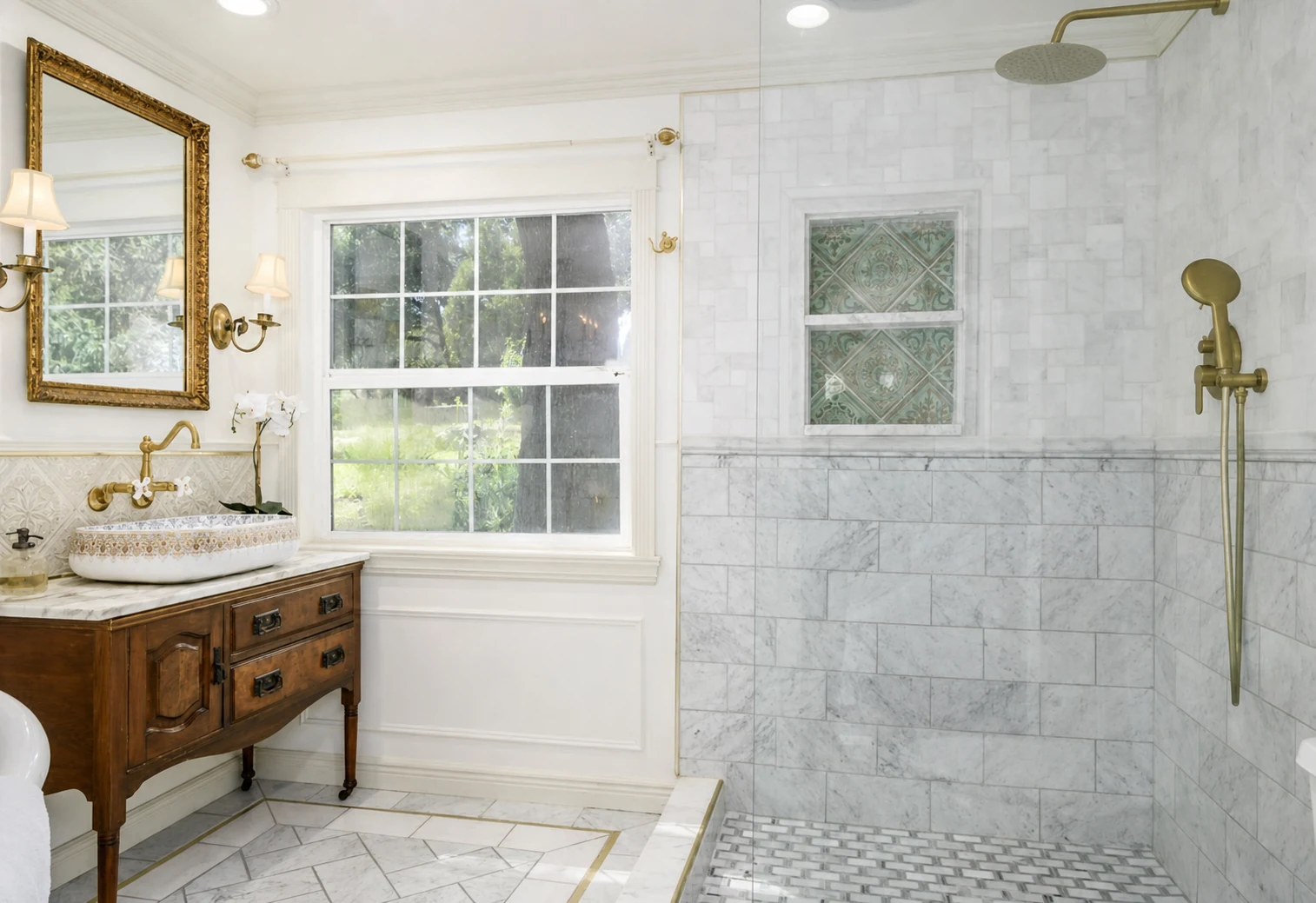
Return to the project bookThe bathroom was never meant to feel like a new room dropped into an old farmhouse. I wanted it to carry history while still working comfortably for modern life.
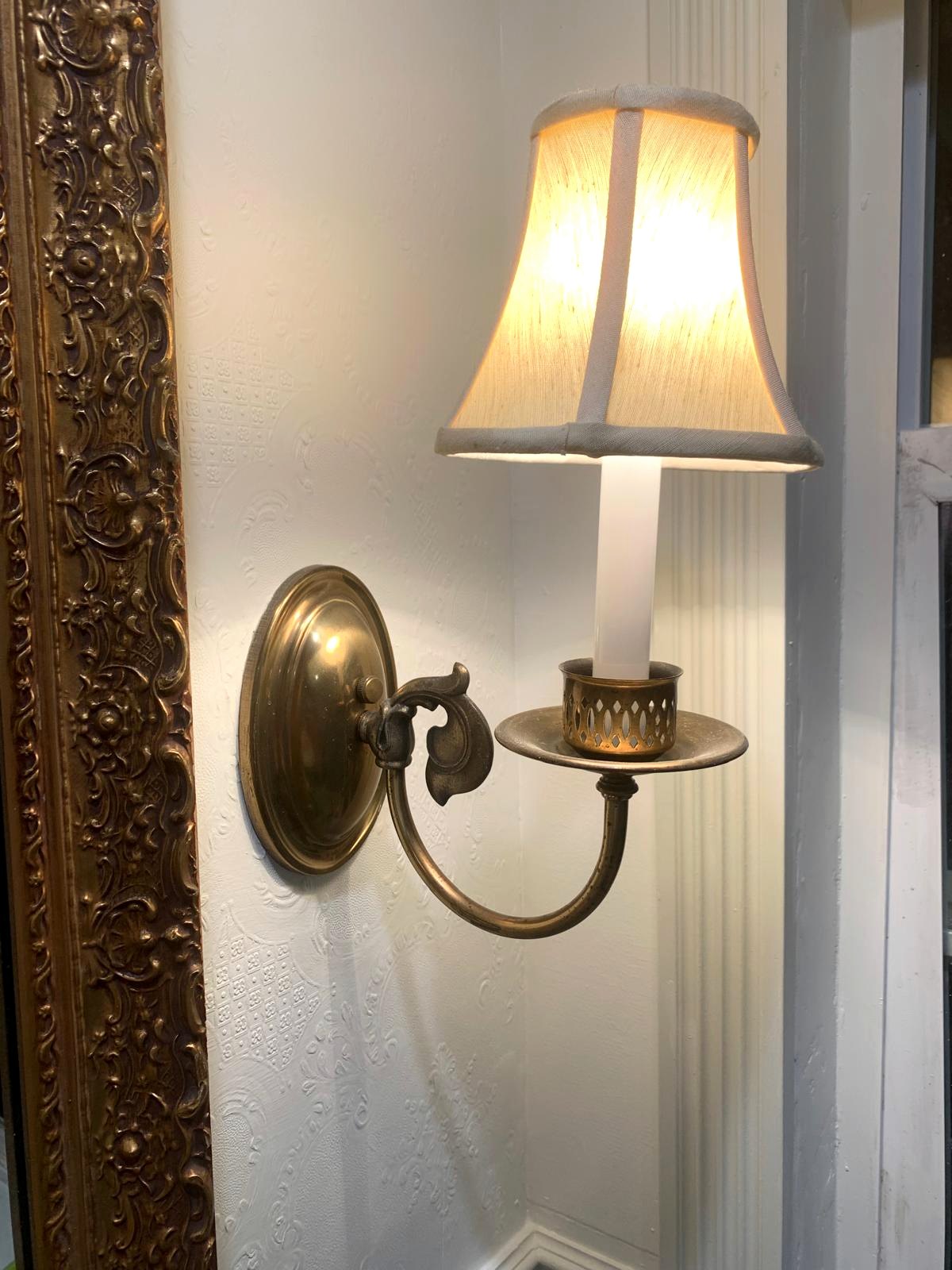
The freestanding bath, antique wooden vanity, brass fittings, wall paneling, and marble establish the larger composition. But the character of the room lives just as much in the details: where one pattern stops, how another begins, the way a niche is framed, and how an old light meets the wall beside a gilded mirror.
The Work You Notice on the Second Look
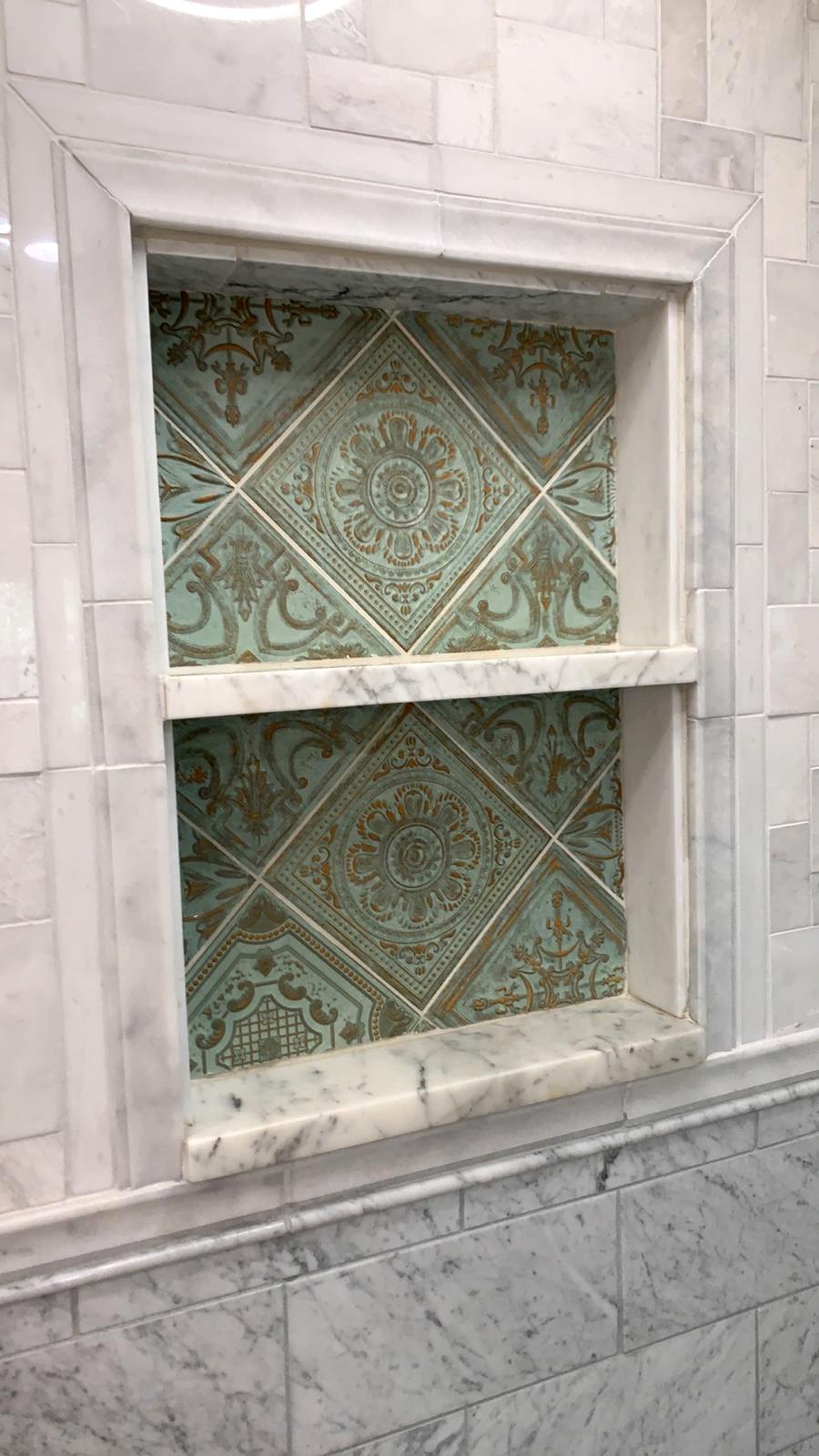
These are not details added simply to make the room ornate. Each one helps resolve a practical part of the architecture. Marble changes scale and direction from the floor to the shower. Borders establish edges. Brass lines give definition. The patterned tile inside the niche introduces color without asking the entire room to compete with it.
Marble from an Old Chico Hardware Store
The room contains another salvaged-marble story that is separate from the I. Magnin stone. This marble came from an old hardware store in Chico. I used it to build the shower threshold and the shelves within the shower niche—small working pieces that needed to be durable, accurately fitted, and visually connected to the rest of the stonework.
Using the same salvaged marble in both places allowed the threshold and niche to speak quietly to one another. The material is not simply decorative: one piece resolves the transition into the shower, while the others make the niche genuinely useful. Their provenance gives those practical details another layer of history.
Stone with a Story
The antique washbasin had survived without its original top. I paired it with salvaged marble from the former I. Magnin building in San Francisco, allowing two old pieces with entirely different histories to become useful together.
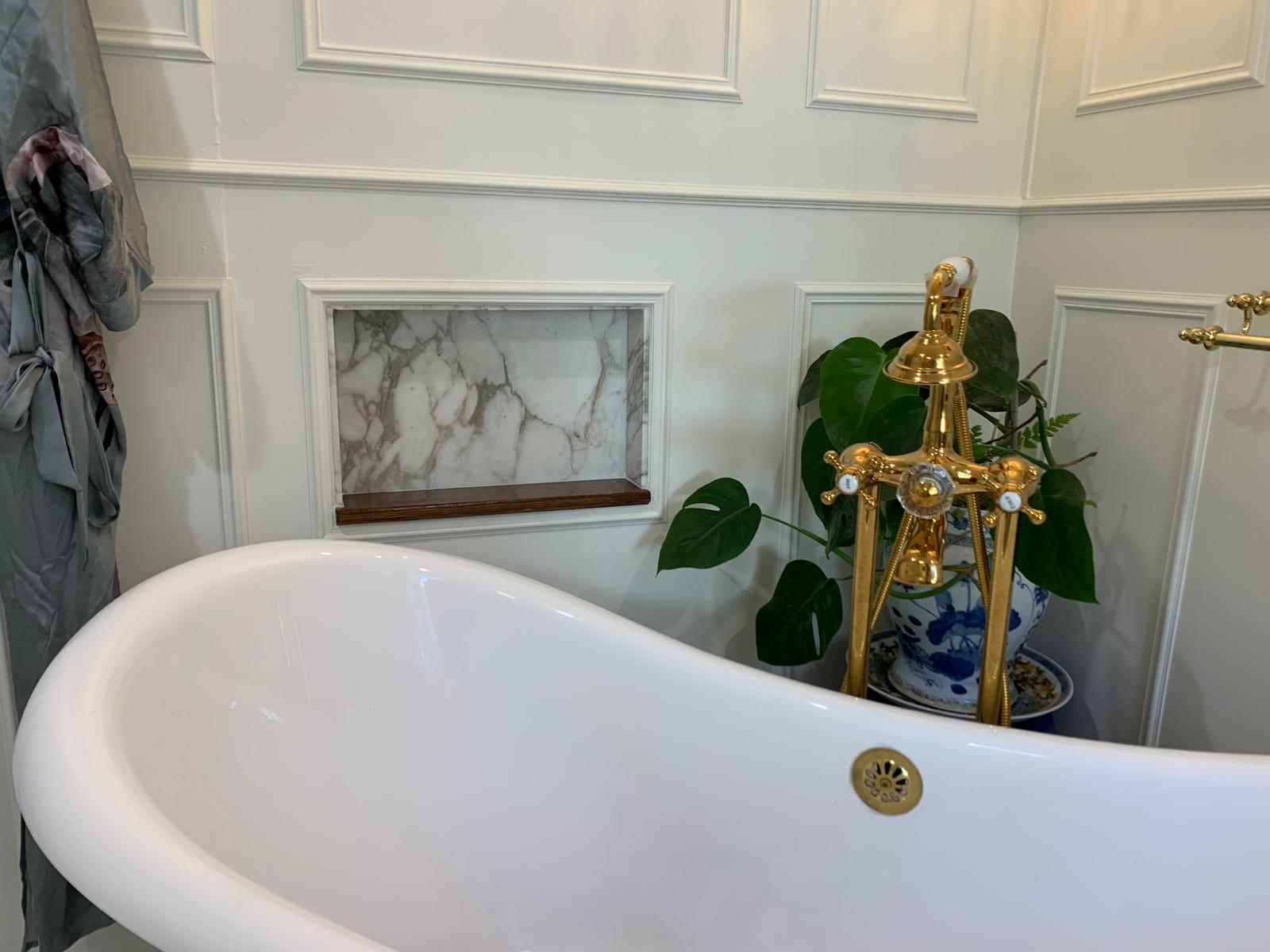
Another portion of that same marble became a framed inset beside the bathtub. The repetition is quiet; someone can enjoy the room without knowing the connection, then discover the provenance later.
Craftsmanship Should Feel Inevitable
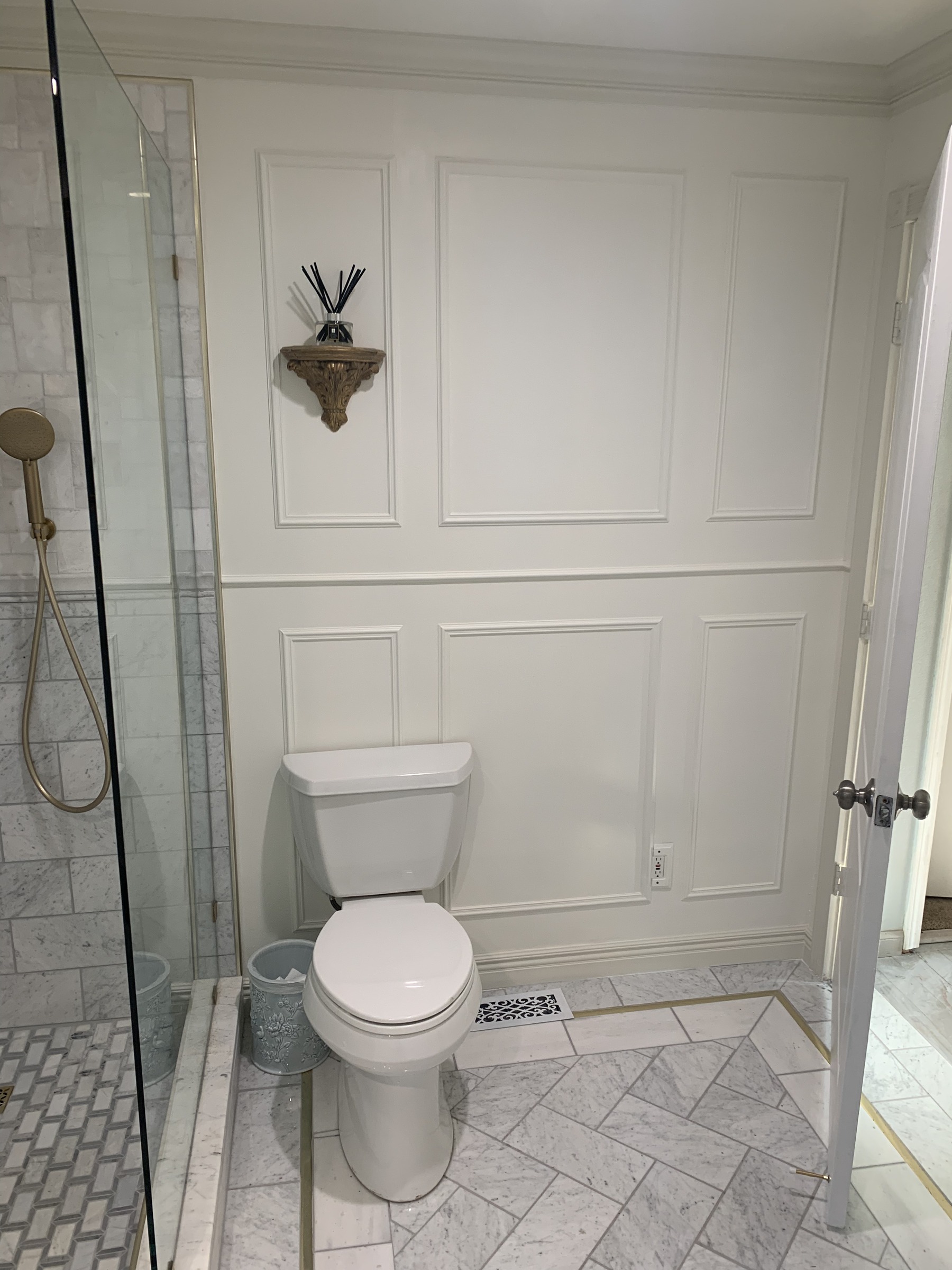
Tile has to change direction. Borders have to stop. Corners have to resolve, and a salvaged material has to be adapted to a place for which it was never originally cut. Those decisions are rarely the first thing someone names when entering a finished bathroom.
When they are handled carefully, the room simply feels right. That is one of the paradoxes of craftsmanship: the more thoughtfully something is executed, the less the difficulty announces itself.
“We will show the beautiful room—and then bring the camera close enough to show why it is beautiful.”